Technical
Coastal Home Renovations: Materials That Last Near the Sea
Cape Town coastal homes need materials that can handle wind, salt air, moisture and sun. This guide explains smarter choices for windows, cladding, roofing, waterproofing and exterior finishes.
Jun 26, 2026 · 9 min read
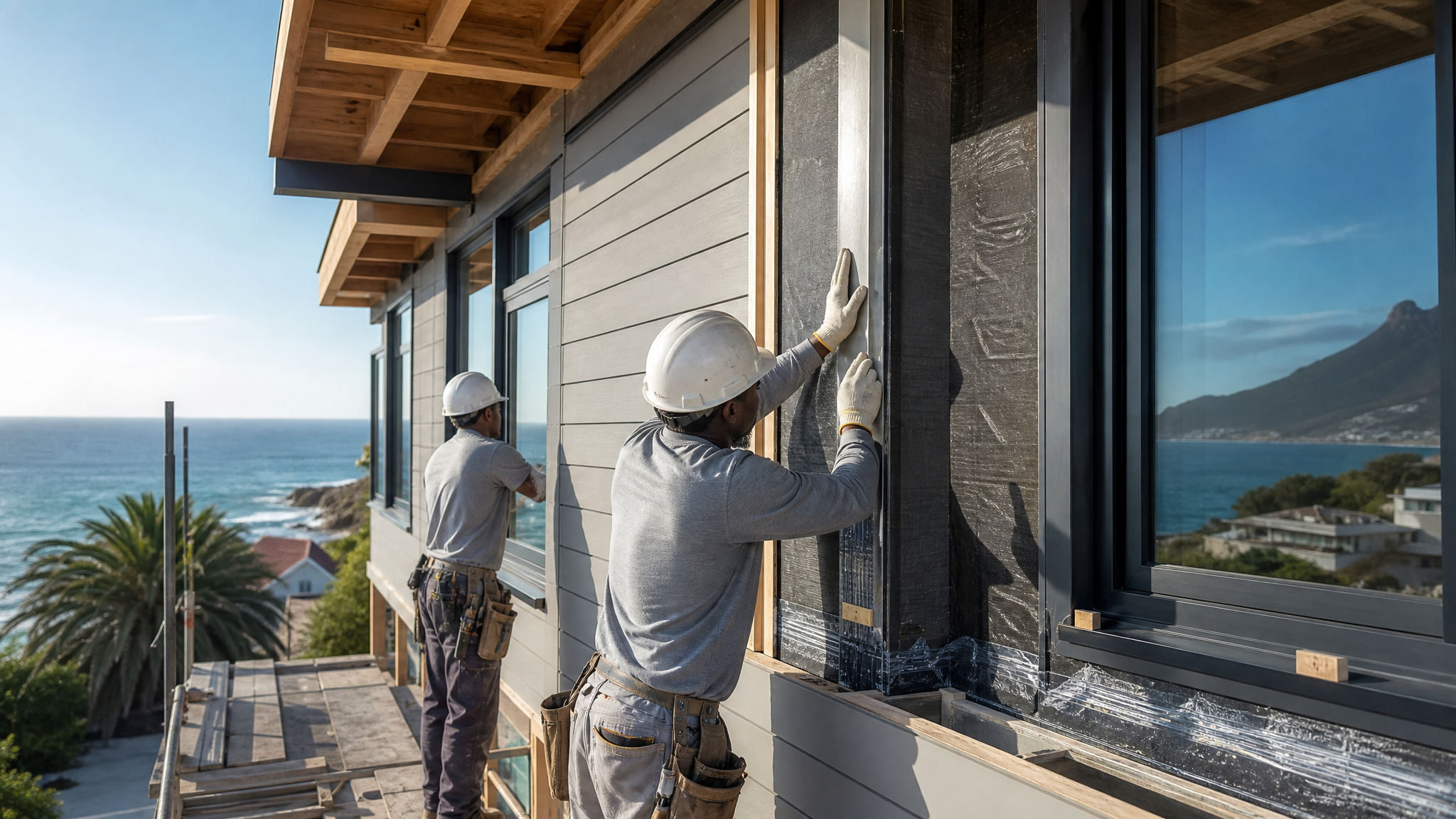
Why Coastal Renovations Need Different Thinking
Renovating a coastal home in Cape Town is different from renovating a house further inland. Sea air, wind-driven rain, UV exposure, sand, moisture and salt can punish the wrong materials quickly. A finish that performs well in a sheltered suburb may stain, corrode, lift or crack near the coast. This is why coastal renovation should never be planned on appearance alone. The materials, fixings, coatings, waterproofing and maintenance strategy all need to match the environment. Homes along the Atlantic Seaboard, Blouberg, Melkbosstrand, Hout Bay, Kommetjie and other exposed areas need practical detailing from the start.
The aim is not to make a coastal home feel industrial or overbuilt. It is to choose materials that stay attractive with sensible maintenance. Cape Town coastal properties often have exceptional views and outdoor living potential, but those same conditions create building pressure. Wind can force water into weak junctions. Salt can corrode exposed metal. Strong sun can fade coatings and dry timber. Moisture can exploit small cracks. A good renovation protects the structure first, then layers the design around that protection.
Windows, Doors and Frames
Windows and doors are among the most important coastal material choices. Aluminium is popular because it is strong, stable and suitable for large openings, but not all aluminium systems are equal. Coastal homes should use appropriate powder coating or anodising specifications, quality hardware and correct installation. Cheap frames, poor drainage and weak seals can lead to water ingress and corrosion. Large sliding or stacking doors must also be chosen with wind exposure in mind. A beautiful opening is only successful if it remains smooth, watertight and secure.
Hardware deserves the same attention. Handles, locks, hinges, rollers and screws are often the first items to fail in salt air. Marine-grade stainless steel or suitable corrosion-resistant components are worth considering, especially where the home is close to the sea. Regular rinsing and maintenance help, but starting with better components reduces frustration. Glass choice also matters. Laminated or performance glass can improve safety, sound control and comfort. In exposed areas, the frame, glass and installation details should be considered as one system, not separate purchases.
Cladding and Exterior Wall Finishes
Exterior cladding can give a coastal renovation a modern, durable look, but the backing system is critical. Moisture must be able to drain and dry. If water is trapped behind cladding, it can cause hidden damage. Fibre-cement boards, treated timber, composite systems and properly specified metal cladding can all work, but each has different maintenance requirements. The choice should depend on exposure, budget, desired look and how much maintenance the homeowner is willing to accept. A coastal home should not rely on fragile finishes in high-impact areas.
Paint systems also need coastal thinking. Preparation is often more important than the final coat. Salt residue, dust, old flaking paint, hairline cracks and damp must be dealt with before painting. High-quality exterior coatings, primers and sealants help protect the surface, but they cannot compensate for poor preparation. Masonry cracks should be repaired properly, not simply painted over. Where walls meet roofs, windows, balconies or paving, waterproofing details should be checked before cosmetic work begins. Many coastal problems start at junctions rather than large open wall areas.
Roofing, Gutters and Waterproofing
Roofs take the full force of coastal weather. Metal roofing, concrete tiles and flat roof systems can all be suitable when correctly specified and installed. The weak points are often fixings, flashings, valleys, penetrations and drainage. Salt air can corrode exposed fixings, while wind can lift poorly secured sheets or tiles. Flat roofs need careful falls, quality membranes and accessible drainage. A roof that looks simple from the street may hide complex water movement. In Cape Town winter rain, small weaknesses can become major leaks.
Gutters and downpipes should be sized and positioned for heavy bursts of rain, not average conditions. Overflow must be directed away from walls and foundations. Balconies, parapets and roof terraces need particular care because they combine structure, waterproofing, movement and finishes. Coastal homes often benefit from scheduled waterproofing inspections. Waiting for visible interior damage is expensive. Preventative maintenance is far cheaper than repairing ceilings, floors, joinery and plaster after water has entered the building.
Timber, Decking and Outdoor Structures
Timber can look beautiful in a coastal setting, but it needs realistic maintenance. Hardwood decking, pergolas, screens and soffits can perform well when properly selected, fixed and sealed. However, homeowners should understand that coastal timber will weather. If the desired look is a perfect new timber tone all year, maintenance must be planned. Composite decking or alternative materials may suit homeowners who want lower upkeep. The right choice depends on exposure, budget and tolerance for natural ageing.
Outdoor structures should be designed for wind as much as appearance. Pergolas, screens, gates and balustrades need secure fixing and suitable materials. Lightweight decorative elements can become noisy or unstable in exposed areas. Steel can work if properly protected, but untreated or poorly coated steel will suffer. Where timber meets walls or paving, moisture traps should be avoided. Good detailing allows materials to dry, move and be maintained. Coastal durability is often about small construction decisions that are easy to miss in a purely visual design.
Interior Materials and Maintenance
Coastal conditions affect interiors too. Moisture, sand and strong light influence flooring, cabinetry, paint and ventilation. Tiled floors, quality vinyl, engineered products and sealed concrete can be practical in sandy, high-traffic homes, while some timber floors need more care. Kitchens and bathrooms should use moisture-resistant boards, good extraction and proper sealing. Cupboards near damp walls should be designed with ventilation and protection in mind. If the exterior envelope is weak, interior finishes will eventually show the problem.
No material is maintenance-free near the sea. The better question is how much maintenance is realistic and what failure looks like if maintenance is delayed. A good coastal renovation makes maintenance visible and manageable. Access panels, reachable gutters, replaceable hardware and clear drainage paths all help. Happy Home Construction approaches coastal projects with longevity in mind, because a home near the sea should be enjoyed rather than constantly repaired. Durable materials, correct installation and realistic maintenance work together.
Build for the Coast You Actually Live In
Cape Town coastal homes are exposed to some of the most beautiful and demanding conditions in the country. Choosing the right materials is not about following trends; it is about matching the building to wind, salt, sun and moisture. Aluminium systems, exterior coatings, cladding, waterproofing, roofing, timber and interior finishes all need to be selected as part of one strategy. If you are renovating near the sea, start with durability and then refine the design. The result will look better for longer and protect the value of the property.
Small Details That Make a Big Difference
Coastal durability often depends on details that homeowners do not notice at first glance. The grade of screws, the way a flashing is folded, the gap behind cladding, the slope on a balcony, the sealant around a frame and the drainage path below paving can all decide whether a renovation ages well. These details are not glamorous, but they protect the expensive visible finishes. A coastal renovation should be inspected with water movement in mind: where rain lands, where wind pushes it, where it drains, and where it could become trapped.
It is also worth thinking about replacement cycles. Some exposed items, such as door rollers, exterior sealants, coatings and timber finishes, may need periodic attention even when the original installation is excellent. Designing so those items can be reached and serviced is part of good coastal construction. Homeowners should not be left with beautiful features that are impossible to maintain. The best material strategy combines robust products, correct installation and simple future maintenance, which is what keeps a seaside home feeling premium rather than fragile.