Technical
Coastal Engineering 2.0: Materials and Techniques for the Cape’s 2026 Environmental Challenges
Building on the Atlantic or False Bay coast in 2026 requires more than just a view. A 1300-word technical guide to marine-grade construction and wind engineering.
Mar 05, 2026 · 16 min read
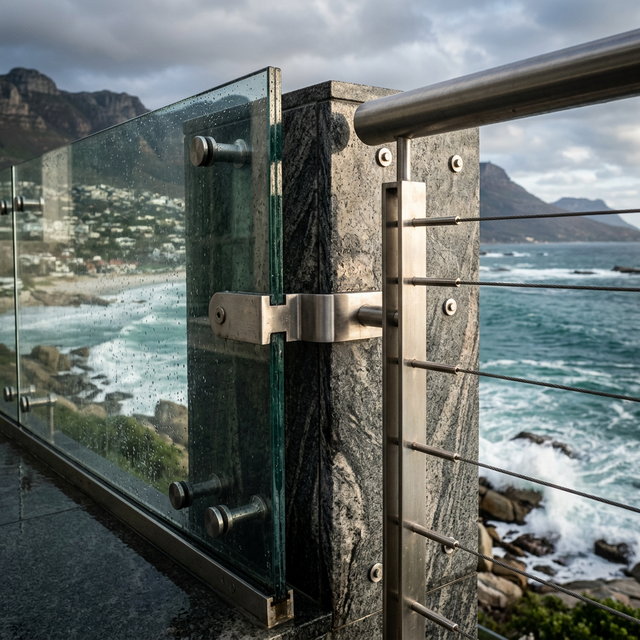
TL;DR Summary: In 2026, coastal construction in Cape Town is defined by 'Structural Longevity.' By utilizing marine-grade 316L stainless steel, polymer-modified concrete, and wind-tunnel-tested glass systems, Happy Home Construction ensures that high-end coastal investments withstand the extreme salinity and wind loads of the Western Cape.
The Harsh Reality of the 'Cape of Storms' in 2026
As we enter March 2026, the environmental pressures on residential properties along the Atlantic Seaboard and the False Bay coastline have reached a critical tipping point. The combination of increasing sea-spray salinity, higher-velocity 'South-Easter' wind events, and the shifting coastal topology requires a fundamental rethink of how we build. A 'beautiful' home that fails to account for these forces is not an investment; it is a liability.
At Happy Home Construction, we’ve spent over 16 years refining our approach to what we call 'Coastal Engineering 2.0.' This isn't just about using better paint; it’s about a comprehensive structural philosophy that spans from the initial rebar selection to final exterior cladding systems. Our work in high-exposure areas like Melkbosstrand has been the testing ground for these innovations.
Material Science: Beyond Standard Stainless Steel
In 2026, 'coastal grade' materials are the absolute minimum requirement. However, the industry has moved beyond standard 304 stainless steel, which frequently fails within 18 months of front-line exposure. We are now exclusively utilizing 316L (Low Carbon) marine-grade stainless steel for all structural fixings and outdoor hardware. But the real innovation is in the coatings.
According to the Construction Industry Development Board (CIDB) 2026 standards, corrosion management now accounts for nearly 25% of a coastal project's technical budget. We are integrating polymer-modified renders and carbon-fibre reinforcements into our In Situ Concrete Slabs to prevent the 'internal rot' caused by salt-air penetration. This ensures that the structural core of your home remains pristine for decades, not just years.
Aerodynamic Architecture: Engineering for the 2026 Wind Loads
One of the most requested features in 2026 is the 'Seamless View'—massive, unobstructed glass panels that connect the living room to the ocean. However, engineering these for the Cape's high-velocity wind events is a major technical challenge. Standard glass systems can flex and vibrate, leading to structural failures and a constant 'whistling' sound during the summer months. To counter this, we've moved towards triple-laminated glass with specialized interlayers that dampen vibration and provide superior thermal insulation against the Atlantic chill.
Our 2026 designs utilize 'Pressure-Equalized Glazing.' This technique ensures that the air pressure within the window cavity matches the external wind speed, reducing the load on the glass and the frames. Furthermore, the architectural profile of the home itself is becoming more aerodynamic. By using curved corners and recessed window bays, we can deflect the wind around the structure, significantly reducing the 'drag' and force applied to the building’s envelope. We often use wind-tunnel simulations during the design phase to identify 'stress pockets' in the building facade before a single brick is laid.
Sustainable Marine Foundations: Shifting Sands and Rising Sea Levels
The 2026 Cape Town property market is increasingly aware of the long-term impact of rising sea levels and shifting sand dunes. For our clients on the West Coast and Southern Peninsula, we are implementing 'Dynamic Foundation Systems.' Rather than rigid blocks that can crack as the earth moves, we are using reinforced micro-piling and moisture-barrier membranes to ensure the home remains level and dry even in the most extreme environmental shifts. This is particularly relevant for the Sunset Beach area, where groundwater levels are influenced by tidal patterns.
This also ties into sustainable landscaping design. Indigenous, deep-rooting dune vegetation can help stabilise the soil around the property, creating a 'soft engineering' barrier that protects harder structural foundations from erosion.
Lessons from the Front Line: The Melkbosstrand Technical Upgrade
Our recent Melkbosstrand work serves as a perfect case study for Coastal Engineering 2.0. The property was suffering from radical salt-air erosion when we arrived. Our team performed a complete gutting of the exterior, replaced the standard roofing with salt-resistant charcoal-coated aluminium, and installed a bespoke heritage-style boundary wall with integrated lighting that was specifically designed to handle the high moisture content of the area.
The result was not just an aesthetic transformation, but a structural one. By applying modern material science, we increased the property's longevity and significantly reduced the client's long-term maintenance costs.
The 2026 Coastal Homeowner's Checklist
Even the best engineering requires a maintenance strategy. In 2026, we recommend a 'Proactive Rinse Cycle' for all coastal properties. This involves automated freshwater misting systems for glass and steel sections after high-wind events to remove salt deposits before they have a chance to bond with the materials. Additionally, an annual audit of the swimming pool lining and solar heating systems is essential to detect early signs of salt-related stress.
Frequently Asked Questions: Coastal Engineering & Construction
1. What is the best material for coastal window frames in 2026?
High-spec anodized aluminium (min 25 microns) or specialized marine-grade uPVC are the leaders for durability and thermal efficiency.
2. How do you prevent 'Concrete Cancer' in salt-heavy areas?
By using high-density concrete with specialized admixtures and ensuring a minimum of 50mm 'cover' over all steel reinforcements.
3. Are flat roofs viable on the Cape Town coast?
Yes, provided the waterproofing membranes are UV-stabilized and the drainage systems are oversized to handle the Cape's rapid-burst rain events.
4. How often should coastal metalwork be serviced?
We recommend a professional cleaning and protective wax application every 6 months for any exposed steel elements.
Conclusion: Building to Last
Coastal living in Cape Town is a privilege, but it comes with a technical price. In 2026, the difference between a house and a home is its engineering. At Happy Home Construction, we pride ourselves on delivering structures that aren't just beautiful in their first month, but remain spectacular for decades. If you are planning a project on the coast, ensure you are building with the technical foresight that the 2026 environment demands.